
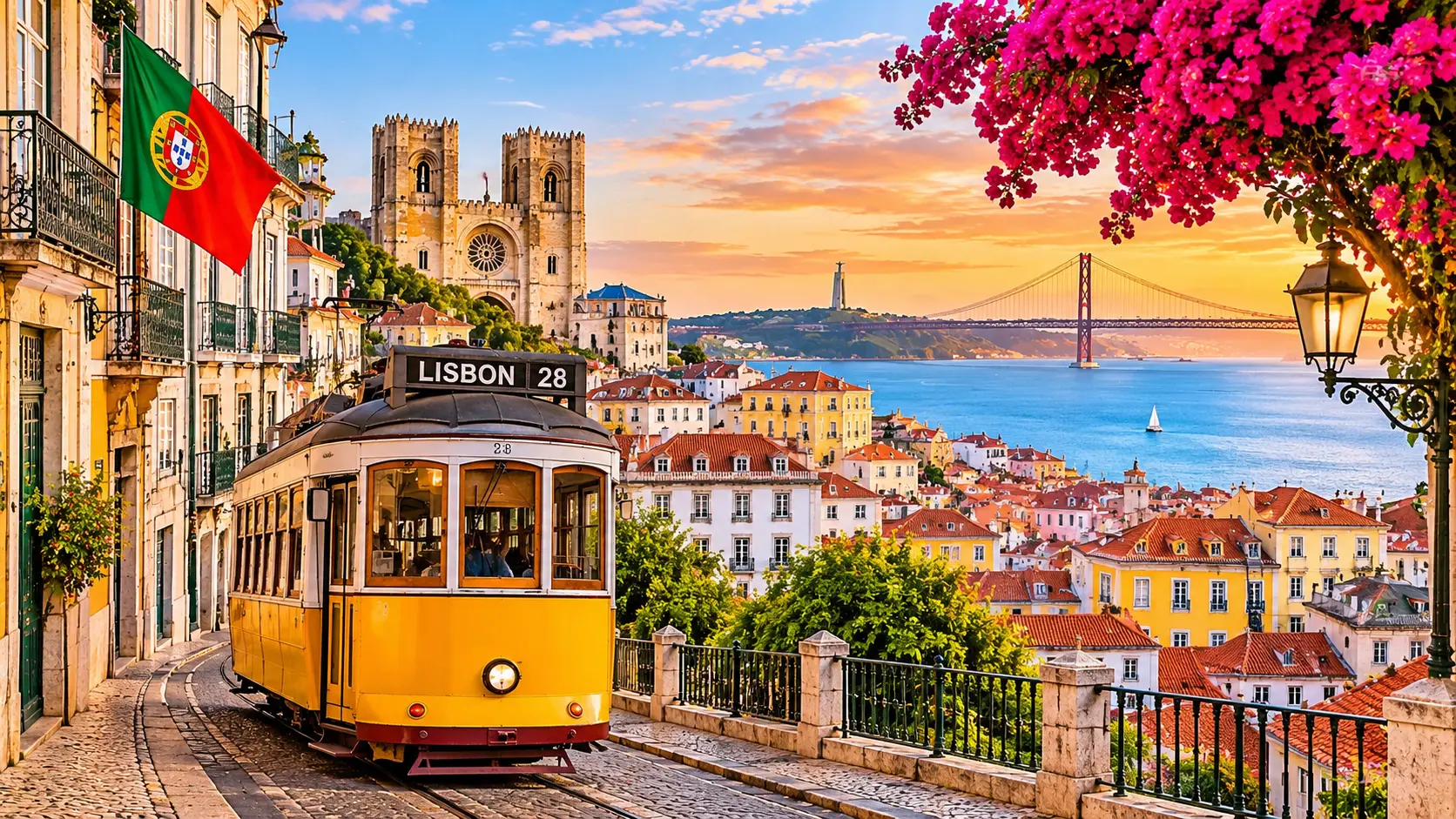
Lisbon: A Complete Guide to Portugal’s Beautiful Capital, History, Culture, Attractions, and Lifestyle
Lisbon is one of Europe’s most fascinating capital cities, attracting visitors with its historic streets, colourful buildings, beautiful viewpoints, traditional food, and relaxed lifestyle. Located on the western coast of Portugal, Lisbon sits beside the River Tagus, offering a unique combination of historic architecture, modern attractions, and scenic waterfront views. Whether someone enjoys exploring historical landmarks, discovering local traditions, tasting new food, or experiencing exciting nightlife, Lisbon has something interesting to offer.
What makes Lisbon special is the way its past and present exist together. You can walk through centuries-old neighbourhoods in the morning, enjoy a modern shopping district in the afternoon, and spend the evening listening to traditional Portuguese music. Its famous yellow trams, decorative ceramic tiles, narrow streets, and welcoming cafés give the city an identity that is difficult to confuse with anywhere else.
Lisbon is also an excellent destination for travellers who want to experience European culture without constantly rushing between attractions. The city encourages people to slow down, explore different neighbourhoods, enjoy local meals, and appreciate the views from its many hills. This guide covers Lisbon’s history, famous attractions, neighbourhoods, food, transportation, lifestyle, and practical travel information.
Where Is Lisbon Located?
Lisbon is the capital and largest city of Portugal, a country situated in southwestern Europe on the Iberian Peninsula. The city is positioned along the northern bank of the River Tagus, close to where the river meets the Atlantic Ocean. Its geographical location has played an important role in its development as a centre of international trade, maritime exploration, and cultural exchange.
One of Lisbon’s most attractive features is its landscape. The city is famous for its hills, viewpoints, historic streets, and waterfront areas. Many neighbourhoods offer beautiful views of the river and surrounding buildings, particularly during sunrise and sunset. Its combination of natural scenery and traditional architecture makes everyday exploration an enjoyable experience.
Lisbon also serves as an important centre for Portugal’s government, business, education, tourism, and culture. It has an international airport, railway connections, modern public transportation, and a busy port area. These facilities make it an accessible destination for international visitors and an important gateway for exploring other parts of Portugal.
The History of Lisbon
Lisbon has a long and fascinating history that stretches back thousands of years. Its natural harbour attracted traders and seafarers from different parts of the ancient world. The Phoenicians were among the early communities associated with the settlement, while the Romans later developed it into an important urban centre known as Olisipo.
During the eighth century, Muslim forces took control of the city, introducing architectural, agricultural, and cultural influences that became part of Lisbon’s historical identity. The city’s streets, buildings, and neighbourhood development reflect the influence of several different historical periods. This mixture gives Lisbon a distinctive character that visitors can still experience today.
In 1147, Lisbon was captured by Portuguese forces led by Afonso Henriques, who later became Portugal’s first king. The city became Portugal’s capital in 1255 and gradually developed into an important political and commercial centre. Its location beside the Atlantic Ocean helped it become particularly significant during the European Age of Discovery.
The sixteenth century brought major developments as Portuguese explorers established maritime trade routes across different continents. Lisbon became closely associated with international shipping, exploration, and overseas commerce. However, the city also experienced a devastating earthquake in 1755, followed by fires and a tsunami. Much of the historic centre was destroyed, leading to an extensive rebuilding programme that shaped the modern downtown area.
Top Attractions to Visit in Lisbon
Lisbon offers a wide variety of attractions, from medieval castles and historic churches to modern museums and beautiful public spaces. Visitors can discover much of the city’s character simply by walking through its different neighbourhoods. However, several landmarks deserve special attention because of their historical importance and cultural value.
1. Belém Tower
Belém Tower is one of Lisbon’s most recognisable historical landmarks. Located beside the River Tagus, this impressive defensive structure was constructed during the early sixteenth century. It was originally designed to help protect the entrance to Lisbon’s harbour and became an important symbol of Portugal’s maritime history.
The tower is particularly famous for its Manueline architectural details, decorative stonework, and distinctive appearance. Its location beside the water also makes it a popular place for photography. Visitors can appreciate the building from outside and explore its interior when access is available.
Belém Tower is part of Lisbon’s historic connection with maritime exploration. It represents a period when Portuguese ships travelled across oceans to establish trade routes and explore distant territories. Its cultural and architectural importance makes it an essential stop for anyone interested in Portuguese history.
2. Jerónimos Monastery
Jerónimos Monastery is another remarkable attraction located in the Belém district. Built during the sixteenth century, the monastery is widely recognised for its impressive architecture and detailed stone decorations. Its construction is closely connected to Portugal’s Age of Discovery and the country’s historical maritime achievements.
The building features beautiful cloisters, carved columns, decorative arches, and impressive religious spaces. Every section offers something different to appreciate, making it an interesting destination for architecture enthusiasts and history lovers. The monastery also contains the tombs of important Portuguese historical figures, including explorer Vasco da Gama and poet Luís de Camões.
Jerónimos Monastery is recognised as a UNESCO World Heritage Site alongside Belém Tower. Its historical importance and architectural beauty make it one of the most significant landmarks in Lisbon.
3. São Jorge Castle
São Jorge Castle stands on one of Lisbon’s highest hills and offers impressive views across the historic centre and River Tagus. The castle has a long history involving different rulers and communities, including the Moors and Portuguese monarchy.
Visitors can explore its historic walls, towers, courtyards, and archaeological areas. Walking around the castle provides a better understanding of Lisbon’s defensive history and the city’s development over several centuries.
The surrounding area is equally interesting. Its narrow streets, traditional houses, small restaurants, and scenic viewpoints make the journey to the castle enjoyable. It is an excellent destination for visitors who want to combine history with beautiful city views.
4. Praça do Comércio
Praça do Comércio is one of Lisbon’s most impressive public squares. Located beside the River Tagus, it is surrounded by attractive buildings with traditional yellow façades and impressive architectural details.
The square has an important place in the city’s history because it was part of the reconstruction that followed the devastating earthquake of 1755. Today, it is a popular gathering place where visitors can enjoy restaurants, cafés, open spaces, and views of the river.
Its central location also makes it a convenient starting point for exploring the surrounding streets of Baixa. Visitors can easily continue towards Rua Augusta, Chiado, and other important parts of the city.
Best Neighbourhoods in Lisbon
One of the best ways to understand Lisbon is to explore its neighbourhoods. Each district has its own atmosphere, architecture, traditions, and attractions. Some are known for their historic streets, while others are popular for shopping, restaurants, and nightlife.
Alfama
Alfama is one of the oldest and most traditional neighbourhoods in Lisbon. Its narrow streets, staircases, historic houses, and small squares create an atmosphere that reflects the city’s past. Walking through Alfama feels different from exploring the more modern parts of Lisbon because many of its streets have maintained their traditional character.
The neighbourhood is strongly connected to Fado, a traditional Portuguese music style known for its emotional singing and expressive melodies. Small restaurants and music venues provide opportunities to experience this cultural tradition.
Alfama is also home to beautiful viewpoints, including Miradouro de Santa Luzia and nearby scenic terraces. These locations provide excellent views of rooftops, historic buildings, and the River Tagus.
Baixa
Baixa is the central downtown district of Lisbon and is known for its organised streets, attractive squares, traditional businesses, and shopping opportunities. Much of the neighbourhood was rebuilt following the 1755 earthquake, which explains its more regular street layout compared with older districts.
Rua Augusta is one of its most popular pedestrian streets. It connects the central shopping area with Praça do Comércio and features cafés, restaurants, shops, and street performers.
Baixa is also a convenient location for travellers because many major attractions are within walking distance. Its central position makes it a practical base for visitors who want easy access to different parts of the city.
Chiado
Chiado is a stylish neighbourhood known for its cultural atmosphere, historic cafés, theatres, bookshops, and shopping streets. It has long been associated with writers, artists, students, and intellectual life in Lisbon.
Visitors can explore traditional coffee shops, independent businesses, and well-known commercial streets. The area offers an interesting combination of historic architecture and contemporary lifestyle.
Chiado is also close to Bairro Alto, making it convenient for visitors who want to experience both daytime shopping and evening entertainment.
Bairro Alto
Bairro Alto is one of Lisbon’s best-known nightlife districts. During the day, its streets have a relaxed atmosphere, with independent shops, cafés, and traditional buildings. After sunset, the neighbourhood becomes much busier as restaurants and bars attract visitors and residents.
The district is particularly popular among people looking for live music, social gatherings, and evening entertainment. Its narrow streets create a distinctive atmosphere that is different from the modern nightlife areas found in many other European capitals.
Bairro Alto is also close to several viewpoints, allowing visitors to enjoy beautiful city scenery before heading out for dinner or entertainment.
Traditional Food and Drinks in Lisbon
Food is an important part of the Lisbon experience. Portuguese cuisine combines fresh ingredients, seafood, traditional cooking techniques, and regional flavours. The city’s restaurants range from small family-run establishments to modern dining spaces offering contemporary interpretations of Portuguese dishes.
One of the most famous local treats is pastel de nata, a small custard tart with a crispy pastry shell and creamy filling. It is commonly enjoyed with coffee and can be found in bakeries throughout the city. The historic Belém area is particularly famous for its traditional custard pastries.
Seafood is another important part of Lisbon’s food culture. Bacalhau, or salted cod, is widely associated with Portuguese cooking and appears in many traditional recipes. Grilled sardines are also popular, especially during local festivals and warmer months. Other dishes include seafood rice, grilled fish, and traditional meat preparations.
Visitors should also explore Lisbon’s cafés and food markets. These places provide opportunities to discover local ingredients, traditional snacks, and everyday Portuguese eating habits. Trying different dishes is one of the simplest ways to understand the city’s culture.
Weather and Best Time to Visit Lisbon
Lisbon has a Mediterranean-influenced climate with generally mild winters and warm, dry summers. Its location near the Atlantic Ocean helps create pleasant conditions throughout much of the year. The city receives plenty of sunshine, which makes outdoor sightseeing and walking popular activities.
Spring, particularly April and May, is an attractive time to visit. Temperatures are generally comfortable, gardens and outdoor spaces become more inviting, and visitors can explore historic neighbourhoods without the stronger summer heat.
Summer is another popular travel season, especially from June to August. The weather is usually warm and sunny, making it suitable for outdoor dining, waterfront walks, and nearby beach trips. However, popular attractions can become crowded, and accommodation may be more expensive during busy travel periods.
Autumn is also worth considering, particularly September and October. The weather often remains pleasant, while the summer crowds gradually become smaller. Winter is generally milder than in many northern European destinations, although visitors should prepare for occasional rain and cooler evenings.
Transportation and Getting Around Lisbon
Lisbon has a well-developed public transportation network that includes metro services, buses, trams, elevators, and ferries. These options make it relatively convenient for visitors to move between historic neighbourhoods, shopping areas, and modern districts.
The famous yellow trams are among the city’s most recognisable features. Tram 28 is particularly popular because it passes through several historic neighbourhoods. However, it can become crowded, so visitors may prefer travelling at quieter times or choosing alternative routes.
The Lisbon Metro is another practical option, especially for covering longer distances. It connects important parts of the city and provides access to areas such as the airport and major transport stations. Buses and trains are also useful for reaching destinations that are not directly served by the metro.
Walking is one of the best ways to discover Lisbon’s traditional streets and hidden corners. However, the city has several steep hills, so comfortable shoes are important. Travellers should also check current transport fares, operating schedules, and ticket options before starting their journeys.
Shopping and Entertainment in Lisbon
Lisbon offers a varied shopping experience that combines traditional markets, independent boutiques, international brands, and modern shopping centres. Visitors can explore historic commercial streets or discover smaller shops selling handmade products, clothing, ceramics, and Portuguese souvenirs.
Chiado is a popular area for shopping because it combines well-known retail brands with independent businesses and traditional establishments. Avenida da Liberdade is another major shopping destination, particularly for luxury fashion and premium brands.
For a different experience, visitors can explore local markets and smaller neighbourhood shops. These locations offer opportunities to discover Portuguese products, traditional crafts, and regional food items.
Entertainment is equally varied. Lisbon has theatres, museums, music venues, cultural events, and lively nightlife districts. From traditional Fado performances to contemporary concerts, the city offers activities for different interests and age groups.
Why Is Lisbon a Popular Travel Destination?
Lisbon’s popularity comes from its ability to offer several different experiences within one destination. Visitors can explore historic monuments, enjoy scenic river views, experience traditional music, and discover modern restaurants without travelling long distances between major attractions.
Another reason people enjoy Lisbon is its atmosphere. The city has a relatively relaxed pace compared with some larger European capitals. Small cafés, outdoor terraces, neighbourhood markets, and historic streets encourage visitors to spend time exploring rather than simply moving from one tourist attraction to another.
Lisbon also provides access to several interesting destinations outside the city. Sintra is famous for its palaces and historic estates, while Cascais offers a coastal atmosphere with beaches and waterfront attractions. These nearby destinations make Lisbon an excellent starting point for exploring the wider region.
Its combination of history, architecture, food, transportation, and coastal scenery continues to attract international travellers. Whether someone visits for a short holiday or a longer cultural experience, Lisbon offers plenty of opportunities to discover something memorable.
Travel Tips for First-Time Visitors
Planning ahead can make a trip to Lisbon more comfortable and enjoyable. Although the city has good transportation and plenty of visitor facilities, understanding a few local details can help travellers avoid common problems.
First, wear comfortable walking shoes. Lisbon’s hills, cobblestone streets, and staircases can make exploring on foot more challenging than expected. It is also sensible to carry a reusable water bottle, especially during warmer months.
Second, plan visits to popular attractions in advance. Historic landmarks such as Jerónimos Monastery and São Jorge Castle can attract large numbers of visitors. Checking opening hours, admission arrangements, and available tickets before travelling can save time.
Finally, respect local neighbourhoods and traditions. Lisbon is not just a tourist destination; it is also home to people who live and work there. Keeping noise levels reasonable, supporting local businesses, and respecting residential spaces help create a better experience for everyone.
Conclusion
Lisbon is a remarkable European capital where history, culture, architecture, food, and modern living come together. From the traditional streets of Alfama and the lively atmosphere of Bairro Alto to the historic monuments of Belém, every part of the city offers something different to explore.
Its beautiful river views, famous trams, traditional Portuguese cuisine, and welcoming cultural atmosphere make it an appealing destination for a wide range of travellers. Whether you are interested in historical landmarks, shopping, nightlife, or relaxing city walks, Lisbon has plenty to offer.
For anyone planning a visit to Portugal, Lisbon is an excellent place to begin. Its combination of historic character and contemporary lifestyle creates a travel experience that can remain memorable long after the journey ends.
Google E-E-A-T Information
| E-E-A-T Factor | How This Article Addresses It |
|---|---|
| Experience | Provides practical travel considerations and information about exploring Lisbon. |
| Expertise | Covers the city’s history, landmarks, neighbourhoods, food, and transportation. |
| Authoritativeness | Uses established Portuguese tourism information for historical and destination details. |
| Trustworthiness | Focuses on established facts and avoids presenting changeable travel details as guaranteed. |
Lisbon Data Box
| Information | Details |
|---|---|
| City Name | Lisbon (Lisboa) |
| Country | Portugal |
| Continent | Europe |
| Status | Capital City |
| Region | Southwestern Europe |
| Main River | River Tagus (Tejo) |
| Language | Portuguese |
| Currency | Euro (€) |
| Time Zone | Western European Time (WET) / Western European Summer Time (WEST) |
| Famous Landmark | Belém Tower |
| Historic Attraction | Jerónimos Monastery |
| Famous Neighbourhood | Alfama |
| Popular Transport | Tram, Metro, Bus, Train and Ferry |
| Traditional Food | Pastel de Nata and Bacalhau |
| Famous Music | Fado |
| Best Travel Seasons | Spring and Autumn |
| Main Airport | Humberto Delgado Airport |
| Nearby Destinations | Sintra and Cascais |
Frequently Asked Questions (FAQs)
1. Where is Lisbon located?
Lisbon is located in southwestern Europe and is the capital of Portugal. It sits beside the River Tagus, close to the Atlantic Ocean.
2. What is Lisbon famous for?
Lisbon is famous for its yellow trams, historic architecture, colourful tiled buildings, traditional Fado music, scenic viewpoints, and Portuguese cuisine.
3. Is Lisbon worth visiting?
Yes, Lisbon is worth visiting for its historical landmarks, cultural experiences, beautiful neighbourhoods, traditional food, and scenic surroundings.
4. What language do people speak in Lisbon?
Portuguese is the official language. English is also understood in many hotels, restaurants, tourist attractions, and other visitor-friendly areas.
5. What currency is used in Lisbon?
Lisbon uses the Euro (€), which is the official currency of Portugal.
6. How many days are enough to explore Lisbon?
Around three to four days is a useful starting point for exploring the main neighbourhoods and attractions. Visitors who also want to explore Sintra, Cascais, and nearby coastal areas may benefit from a longer stay.
7. What is the best time to visit Lisbon?
Spring and autumn are generally excellent times to visit because the weather is often comfortable for sightseeing and outdoor activities.
8. What food should visitors try in Lisbon?
Popular choices include pastel de nata, bacalhau, grilled sardines, seafood rice, and other traditional Portuguese dishes.