
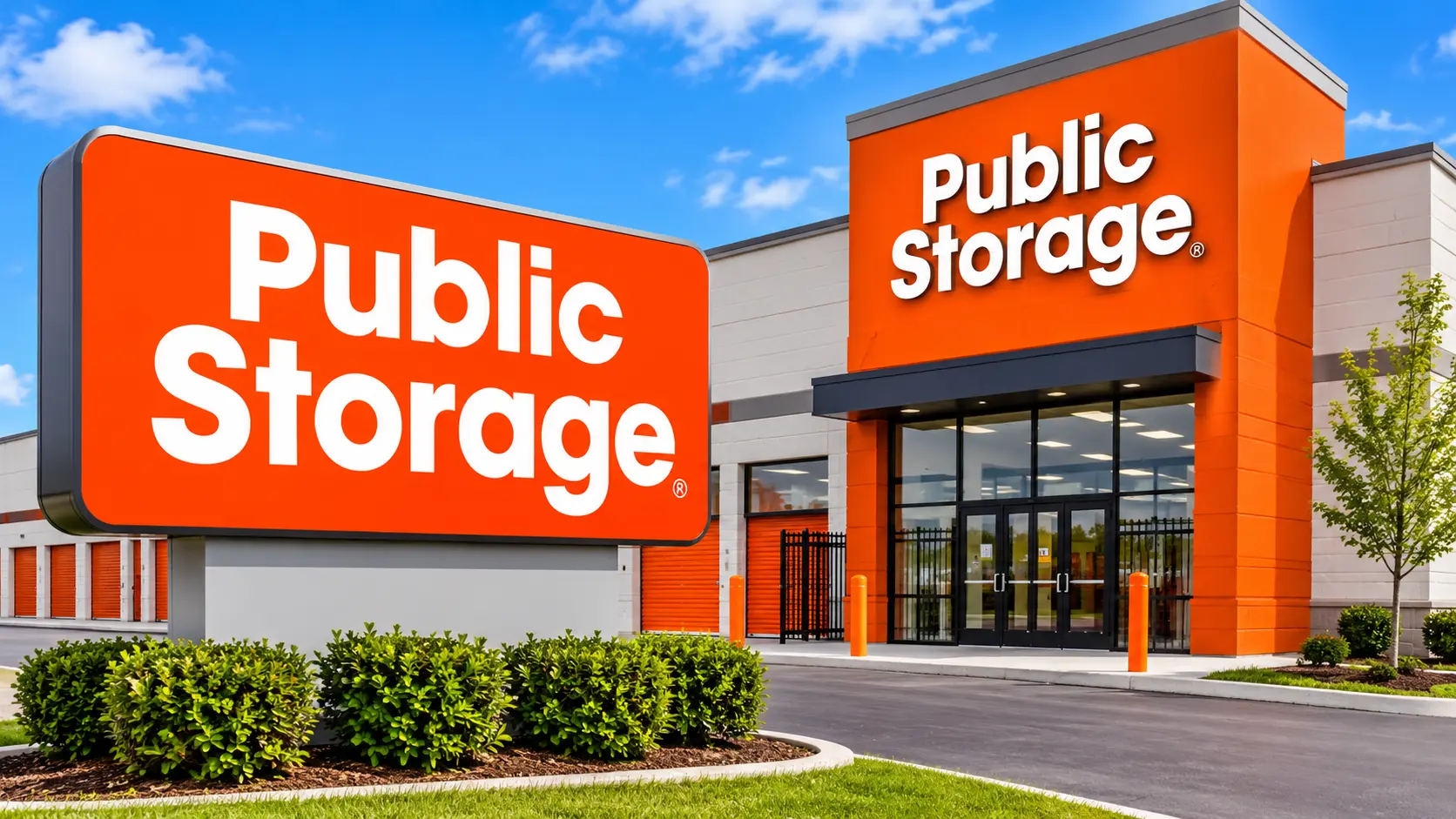
Public Storage: Everything You Need to Know About Storage Units, Services, Costs, and Benefits
Finding enough space for your belongings can become a challenge, Public Storage especially when moving to a new home, renovating a property, or managing a growing business. This is where Public Storage becomes a useful option. It is a well-known self-storage brand that provides storage solutions for people who need additional space without having to rent a larger home, office, or commercial property.
Whether you want to store furniture, seasonal decorations, business inventory, or personal belongings, understanding how Public Storage works can help you make a better decision. From different unit sizes and rental options to security features and pricing considerations, there are several things worth knowing before choosing a storage facility.
This guide explores Public Storage, its services, benefits, potential drawbacks, and practical tips for selecting the right storage unit.
What Is Public Storage?
Public Storage is a major self-storage company that provides rented storage spaces for individuals, families, and businesses. Customers can rent individual units to keep belongings they do not currently need at home or work. These spaces offer an alternative to overcrowding living areas or paying for additional commercial space.
The company operates storage facilities in different locations, primarily across the United States. Its facilities offer different unit sizes and storage arrangements, allowing customers to choose a space according to the amount and type of property they want to store.
One reason Public Storage attracts customers is its flexible approach to storage. Instead of making a long-term commitment to a separate property, customers can rent a storage unit for the period they need it, subject to the facility’s rental agreement and policies.
Public Storage is also a publicly traded company listed on the New York Stock Exchange under the symbol PSA. Its business focuses on providing self-storage services and managing a large portfolio of storage properties.
How Does Public Storage Work?
Using Public Storage is generally a straightforward process. Customers first find a nearby facility, compare available storage units, and select a space that matches their requirements. Unit availability, prices, and features can differ depending on the location.
After choosing a unit, customers complete the rental process and review the agreement. The agreement explains important details such as monthly rent, payment arrangements, access rules, insurance requirements, and other applicable charges. Reading these details carefully can help prevent unexpected expenses.
Once the rental is complete, customers can move their belongings into the assigned storage space. They are responsible for organizing their property, following facility rules, and making payments according to the agreement. Access arrangements depend on the individual property’s operating hours and security procedures.
Types of Storage Units Available at Public Storage
Choosing the right storage space is important because unit size and features directly affect convenience and cost.
1. Small Storage Units
Small storage units are suitable for people who only need to store a limited number of belongings. They may accommodate boxes, small furniture pieces, personal documents, and seasonal items.
These units are useful for students, apartment residents, and people who want to reduce clutter without removing large amounts of furniture from their homes. They can also provide temporary space during a small renovation project.
Before renting a small unit, consider the total number of boxes and the dimensions of the items you plan to store. Organizing belongings into stackable containers can help make better use of the available space.
2. Medium Storage Units
Medium storage units provide additional room for furniture, household appliances, and multiple storage boxes. They can be useful when moving between apartments or temporarily relocating to another city.
Families often consider this option when they need to store furniture during home improvements. A medium unit can also help people keep less frequently used belongings outside their main living area.
The exact capacity depends on the unit’s dimensions and layout. Measuring larger items before renting is a practical way to avoid choosing a space that is too small.
3. Large Storage Units
Large storage units are designed for customers who have more substantial storage requirements. They may accommodate the contents of multiple rooms, larger furniture, equipment, and business inventory.
People relocating to another property sometimes use larger units when their moving dates do not match. Businesses may also use them to hold supplies, equipment, or products that are not needed immediately.
However, renting a larger unit usually means paying more. Customers should compare the price difference between available sizes before committing to additional space.
4. Climate-Controlled Storage Units
Some Public Storage facilities offer climate-controlled storage options. These units are designed to provide a more controlled environment than standard storage spaces.
They can be worth considering for belongings that may be affected by temperature changes or humidity. Examples include wooden furniture, electronics, photographs, important documents, and certain musical instruments.
Availability varies by location, and climate control does not mean that every environmental risk is eliminated. Customers should ask about the specific conditions maintained by the facility before storing valuable or sensitive items.
Main Features and Services of Public Storage
Flexible Rental Options
One of the useful aspects of self-storage is the ability to rent space according to changing storage needs. Public Storage offers rental arrangements that can suit people looking for temporary or ongoing storage.
This flexibility can be helpful during life changes such as moving, downsizing, renovating, or expanding a business. Customers should still review the rental agreement to understand notice requirements, billing dates, and cancellation procedures.
Online Reservations and Rentals
Public Storage provides online tools that allow customers to explore storage options and check availability at participating facilities. This can make the search process easier because people can compare different locations without visiting every property.
Depending on the facility and rental option, customers may also be able to reserve or rent a unit online. It is important to confirm the final rental details rather than assuming every online listing includes the same features.
Moving and Packing Supplies
Packing supplies are another consideration when preparing belongings for storage. Public Storage locations may offer moving and packing products, although the available selection can vary.
Customers may need boxes, tape, protective covers, bubble wrap, and other materials to prepare their belongings properly. Using suitable packing supplies helps reduce the chances of scratches, dust exposure, and accidental damage.
Vehicle Storage
Some storage facilities offer spaces for vehicles, including cars, motorcycles, boats, or recreational vehicles. Availability depends on the individual property and its parking arrangements.
Customers interested in vehicle storage should confirm space dimensions, access conditions, security arrangements, and any requirements concerning registration or insurance. Not every Public Storage location provides vehicle storage.
Benefits of Using Public Storage
1. More Space at Home
One of the biggest benefits of renting a storage unit is having more room at home. Extra furniture, unused appliances, sports equipment, and seasonal decorations can quickly fill closets, garages, and spare rooms.
Moving these belongings into a storage unit can make a home feel more organized. It is particularly useful for people living in apartments or smaller houses where additional storage space is limited.
Instead of getting rid of belongings that may be useful later, customers can keep them in a separate location. This provides more flexibility when managing household space.
2. Convenient Moving and Relocation
Moving can be stressful when the timing of selling one property and moving into another does not match. A storage unit can provide temporary space for belongings during this transition.
For example, someone moving to another state might need somewhere to keep furniture while waiting for their new home to become available. Storage can make this process easier by separating the moving schedule from the final delivery date.
It can also help when renovating a property. Furniture and household items can be moved out of the way while contractors complete repairs, painting, or other improvements.
3. Useful for Small Businesses
Small businesses sometimes need additional space for products, equipment, documents, and supplies. Renting a traditional warehouse or commercial property may not be practical for every business.
A self-storage unit can provide an alternative for certain types of inventory and equipment. It can be particularly useful for online sellers, contractors, seasonal businesses, and independent professionals.
However, business owners should check whether the facility permits their intended storage activities. A storage unit is not automatically suitable for operating a business, receiving customers, or handling restricted materials.
4. Better Organization
Storage units can help people separate everyday belongings from items they only use occasionally. This makes it easier to organize living and working environments.
For example, holiday decorations, camping equipment, old furniture, and seasonal clothing do not necessarily need to occupy valuable space throughout the year.
Using clearly labeled boxes and arranging belongings by category can make stored items easier to locate. A well-organized unit also reduces the time needed when collecting or adding belongings.
How Much Does Public Storage Cost?
The cost of Public Storage depends on several factors, including location, unit dimensions, availability, storage features, and rental terms. A small storage unit generally costs less than a large space designed for furniture or business inventory.
Climate-controlled units may also have different prices from standard storage spaces. Facilities in busy cities can have different rental rates from those in smaller towns or less populated areas.
Public Storage sometimes advertises introductory promotions for selected units. These offers can make the initial rental period cheaper, but customers should check what the regular monthly rate will be after the promotional period ends.
It is also important to consider additional expenses. Depending on the agreement, customers may encounter administrative fees, insurance or protection-plan costs, taxes, and other charges.
Factors That Affect Storage Prices
| Pricing factor | How it affects cost |
|---|---|
| Unit size | Larger spaces generally cost more |
| Location | Demand and local property costs influence rates |
| Climate control | Special storage features may increase rent |
| Access type | Drive-up and indoor options may have different prices |
| Rental promotion | Introductory discounts can reduce initial payments |
| Additional fees | Administrative and protection costs may apply |
Important: Public Storage does not have one fixed price for every location. Always check the current online listing and rental agreement before making a decision.
Is Public Storage Safe and Secure?
Security is an important consideration when choosing a storage facility. Customers want reasonable protection for their belongings, particularly when storing furniture, electronics, documents, or valuable personal property.
Public Storage facilities may include security features such as electronic gate access, individual access codes, fencing, and lighting. However, the exact security arrangements differ between locations.
Customers should inspect the facility before renting whenever possible. Checking the entrance, surrounding area, lighting, access procedures, and general maintenance can help them understand the property’s condition.
It is equally important to take personal precautions. Use a suitable lock where required, avoid sharing access information, and keep an inventory of stored belongings. Valuable items should not be left in storage without understanding the facility’s insurance and liability arrangements.
No storage facility can guarantee that belongings will never be damaged, stolen, or affected by environmental conditions. Customers should review the available protection options and their own insurance coverage.
How to Rent a Public Storage Unit
Renting a storage unit does not have to be complicated. Public Storage provides an online process that allows customers to explore facilities and available units.
Here are the basic steps to follow:
- Find a nearby facility: Visit the official Public Storage website and enter your location to explore available properties.
- Compare unit sizes: Review the available dimensions and estimate how much space your belongings require.
- Check storage features: Look for climate control, indoor access, drive-up access, or vehicle storage if needed.
- Compare rental prices: Review monthly rent, introductory offers, and any additional fees.
- Complete the reservation or rental: Follow the website’s instructions and carefully review the rental agreement.
- Prepare your belongings: Pack everything properly, label boxes, and protect fragile items.
- Move into your unit: Follow the property’s access instructions and arrange belongings safely.
You can visit the official website here: Public Storage Official Website.
Public Storage vs. Traditional Storage Options
People looking for additional space can choose between self-storage facilities, rented garages, warehouses, and storage rooms. Each option has different advantages.
Public Storage offers individual storage units that customers can access according to the property’s operating rules. This can be more convenient than renting a large commercial property when only a limited amount of space is required.
Traditional warehouses may be more suitable for businesses that need larger areas, regular deliveries, or specialized inventory management. Meanwhile, a rented garage may be useful for basic storage, depending on its condition and security.
The right choice depends on the customer’s budget, storage requirements, location, and access needs. Comparing multiple options before signing an agreement is always a sensible approach.
Things to Know Before Choosing Public Storage
Before renting a unit, take time to understand the conditions and limitations of the service. A low introductory price may look attractive, but the regular rental cost and additional charges are equally important.
Check the access hours because not every facility provides the same schedule. If you expect to visit frequently, choosing a convenient location can save time and transportation expenses.
You should also understand the facility’s prohibited-items policy. Perishable food, hazardous materials, illegal substances, and certain other items may not be permitted. Never assume that everything can be stored simply because a unit is available.
Finally, consider how long you need the storage space. If your requirements are temporary, make sure you understand the cancellation process and any applicable notice requirements.
Who Should Consider Public Storage?
Public Storage may be suitable for people going through major life changes or simply trying to create more space. Homeowners can use storage during renovations, while renters may find it useful when changing apartments.
Students can consider self-storage when moving between accommodation during holidays. Families may also use it to keep furniture and household belongings that are not currently needed.
Small business owners can benefit from additional space for suitable inventory, tools, and supplies. However, they should confirm that the facility’s rules support their particular business requirements.
It may not be the right solution for everyone. If you only have a few inexpensive items, the monthly rental cost could eventually exceed their value. In that situation, selling, donating, or recycling unused belongings may be more practical.
Final Thoughts
Public Storage provides self-storage solutions for individuals, families, and businesses that need additional room. With different unit sizes, online rental options, and selected features such as climate control and vehicle storage, the company offers several ways to manage belongings outside the home or workplace.
However, choosing the right facility requires more than comparing introductory prices. Unit dimensions, location, access hours, security features, rental agreements, and additional charges should all be considered.
Ultimately, Public Storage can be a practical option for people who need extra space and want flexibility when managing their belongings. Taking time to compare available units and understand the rental conditions can help make the storage experience more convenient.
Google E-E-A-T Content Information
| E-E-A-T factor | How this article addresses it |
|---|---|
| Experience | Discusses practical storage situations and customer needs |
| Expertise | Explains storage types, rental considerations, and pricing factors |
| Authoritativeness | Uses the company’s official information as a reference |
| Trustworthiness | Highlights rental conditions, limitations, and additional fees |
Editorial note: This table describes the article’s content approach. It does not represent a Google endorsement, ranking score, or guarantee of search performance.
Public Storage Data Box
| Information | Details |
|---|---|
| Company name | Public Storage |
| Industry | Self-storage and real estate |
| Founded | 1972 |
| Headquarters | Glendale, California, USA |
| Stock symbol | PSA |
| Stock exchange | New York Stock Exchange |
| Main service | Self-storage rental |
| Customer types | Individuals, families, and businesses |
| Storage options | Small, medium, large, and selected specialty units |
| Additional services | Online reservations, packing supplies, vehicle storage at selected facilities |
| Official website | publicstorage.com |
Company background: Public Storage’s official company information. Public Storage+2
Frequently Asked Questions (FAQs)
1. What is Public Storage used for?
Public Storage provides rental storage units for personal belongings, furniture, household items, business inventory, and other permitted possessions.
2. Is Public Storage available across the United States?
Yes. Public Storage operates thousands of facilities across the United States, although availability and storage options vary by location. Public Storage+1
3. Can I rent a Public Storage unit online?
Yes. Customers can search for locations, compare available units, and complete eligible reservations or rentals through the official website.
4. Does Public Storage offer climate-controlled units?
Yes. Climate-controlled storage is available at selected facilities. Customers should confirm the exact features and environmental conditions with their chosen location. Public Storage+1
5. Does Public Storage offer month-to-month rentals?
Public Storage generally offers month-to-month rental arrangements, subject to the applicable rental agreement and facility policies. s1.q4cdn.com
6. Can businesses use Public Storage?
Yes. Businesses can rent suitable storage units for permitted inventory, equipment, supplies, and other belongings. The facility’s rules should be checked before renting.
7. Does Public Storage offer vehicle storage?
Selected locations provide vehicle storage options for cars, boats, and recreational vehicles. Availability depends on the facility.