Larry Flynt Net Worth: How the Hustler Founder Built a $500 Million Fortune
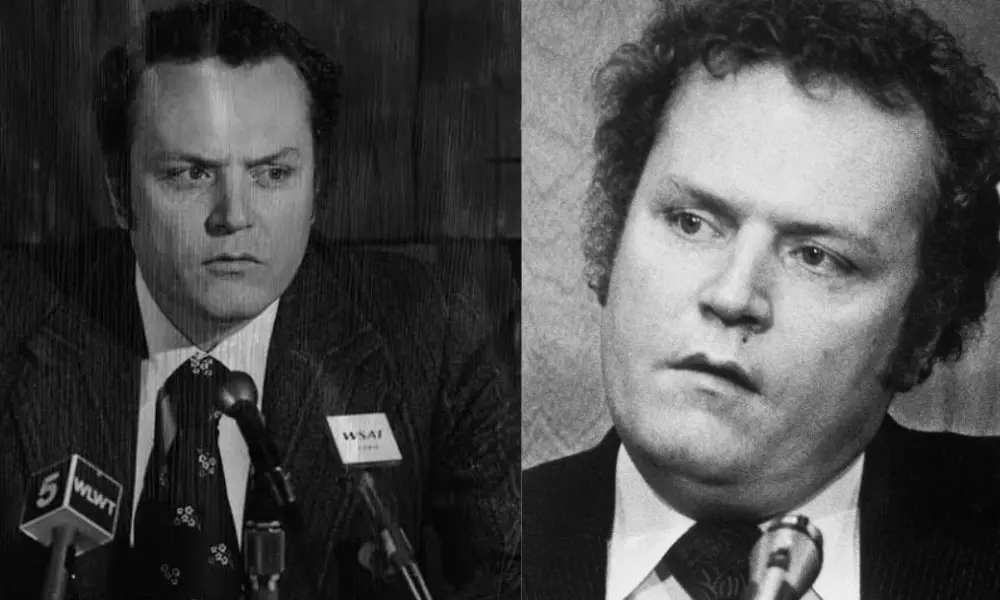
Larry Flynt Net Worth was one of the most controversial and recognizable businessmen in modern American history. Best known as the founder of Hustler magazine, Flynt built a massive entertainment and publishing empire that eventually expanded far beyond a single magazine. His career included publishing, clubs, retail businesses, casinos, video production, and other ventures.
At the time of his death in 2021, Larry Flynt’s estimated net worth was $500 million. Because much of his business empire was privately owned, however, his exact wealth was never publicly documented in the same way as the fortunes of executives at publicly traded companies. Different sources have therefore reported different figures over the years.
Flynt’s story is particularly interesting because his wealth was only one part of his legacy. He was also involved in major legal battles over free speech and the First Amendment. His victory before the U.S. Supreme Court against Jerry Falwell became an important moment in American constitutional law, making Flynt an unlikely figure in the history of free-expression rights.
What Was Larry Flynt’s Net Worth?
Larry Flynt’s estimated net worth was $500 million at the time of his death. This figure reflects the value attributed to his various business interests, including the Hustler brand, publishing operations, entertainment ventures, retail businesses, and casino-related investments.
The exact number should be viewed as an estimate rather than a confirmed bank balance. Flynt controlled privately held businesses, meaning there was no public stock-market valuation that could provide a precise snapshot of his wealth. In different periods of his career, published estimates placed the value of his empire at substantially different levels.
What is clear is that Flynt transformed a relatively modest beginning into a multimillion-dollar business empire. His entrepreneurial journey started with a small Ohio bar and eventually developed into a nationwide brand. His ability to turn publicity, controversy, and legal battles into business exposure played a major role in keeping the Hustler name recognizable for decades.
Larry Flynt Quick Facts
| Category | Details |
|---|---|
| Full Name | Larry Claxton Flynt Jr. |
| Born | November 1, 1942 |
| Birthplace | Lakeville, Kentucky, United States |
| Died | February 10, 2021 |
| Age at Death | 78 |
| Profession | Publisher, Businessman, Film Producer, Activist |
| Best Known For | Founder of Hustler |
| Estimated Net Worth | $500 Million |
| Major Company | Larry Flynt Publications |
| Famous Legal Case | Hustler Magazine v. Falwell |
| Nationality | American |
Early Life and the Beginning of His Business Career
Larry Flynt was born on November 1, 1942, in Kentucky and grew up in difficult financial circumstances. His parents eventually divorced, and Flynt spent parts of his childhood living in different places. His early experiences with poverty helped shape the aggressive entrepreneurial personality that later became one of his trademarks.
Flynt left school at a young age and spent time in the military before entering civilian business. He eventually settled in Ohio, where he discovered an opportunity in the bar and nightlife industry. In 1965, he purchased a bar in Dayton for approximately $1,800, a relatively small investment compared with the fortune he would eventually accumulate.
The business performed well enough for Flynt to expand. He and his brother became involved in operating several establishments, eventually developing the Hustler Club concept. These businesses gave Flynt practical experience in marketing, entertainment, customer behavior, and branding. Those skills would later prove extremely valuable when he moved into publishing.
How Hustler Magazine Changed Larry Flynt’s Fortune
The Hustler story began as a promotional newsletter connected to Flynt’s clubs. What initially served as a way to attract customers gradually developed into something much larger. In July 1974, Flynt published the first issue of Hustler magazine.
The early years were not easy. The publication faced financial difficulties, distribution problems, and significant public criticism. Flynt nevertheless continued investing in the magazine and experimenting with a more provocative editorial style. His strategy was simple but effective: create something that stood out dramatically from competing publications.
A major turning point came when Flynt acquired photographs of Jacqueline Kennedy Onassis. He reportedly paid $18,000 for the photographs, and the resulting issue became a major commercial success. Hustler eventually reached circulation of roughly two million copies during its peak years, according to contemporary reporting.
That success fundamentally changed Flynt’s financial position. The magazine generated substantial revenue and gave him the capital needed to expand into additional businesses. Rather than treating Hustler as a single publication, Flynt increasingly treated the name as a brand that could be used across different parts of the entertainment industry.
Larry Flynt Publications and His Business Empire
In 1976, Flynt established Larry Flynt Publications, commonly known as LFP. The company became the corporate foundation for his growing publishing and entertainment interests. Over time, LFP produced numerous publications and expanded into video production, websites, licensing, retail stores, and other entertainment businesses.
Flynt also understood the value of putting the Hustler name on physical businesses. The brand eventually appeared on retail locations and entertainment venues, creating multiple revenue streams rather than depending entirely on magazine sales. This diversification became especially important as the traditional magazine industry changed.
Another major part of his business strategy was gambling. Flynt owned the Hustler Casino in Gardena, California, and his broader business interests included additional gaming-related operations. Reports also noted Hustler-branded shops and clubs among his assets.
Earnings & Financial Data
| Financial Category | Estimated / Reported Figure |
|---|---|
| Estimated Net Worth at Death | $500 Million |
| Early Bar Investment | Approximately $1,800 |
| Jacqueline Kennedy Onassis Photo Purchase | Approximately $18,000 |
| Reported Peak Hustler Circulation | Approximately 2 Million+ copies |
| Reported Annual Income During Peak | Approximately $30 Million |
| Historical Empire Estimates | Roughly $100 Million–$500 Million+ |
| Major Wealth Sources | Publishing, Entertainment, Retail, Casinos, Licensing |
| Wealth Status | Privately held business interests |
The figures above should be treated as historical estimates rather than audited financial statements. Contemporary reporting sometimes gave different numbers for Flynt’s annual income and the total value of his companies.
Larry Flynt’s Legal Battles and First Amendment Legacy
Money was not the only reason Larry Flynt became famous. He spent decades involved in lawsuits, obscenity prosecutions, and disputes over freedom of expression. His provocative publishing style regularly attracted criticism from religious organizations, politicians, and other groups.
One of the most important events in his legal history was his dispute with televangelist Jerry Falwell. Hustler published a satirical advertisement about Falwell, leading to a lawsuit. The case eventually reached the U.S. Supreme Court, where the justices ruled in Flynt’s favor in 1988.
The decision became an important First Amendment precedent because it strengthened protection for parody and satire involving public figures. Flynt’s background made the outcome especially unusual: a publisher of controversial adult material had become a significant participant in a landmark free-speech case.
The legal victory also changed how the public viewed Flynt. Although he remained a deeply controversial personality, he increasingly presented himself as a defender of free expression. His legal battles became part of the larger story surrounding his wealth and public image.
The 1978 Shooting and Its Impact on His Life
Flynt’s life changed dramatically in 1978 when he was shot outside a courthouse in Georgia. He survived the attack but suffered severe spinal injuries that left him permanently paralyzed from the waist down. The shooting had a profound effect on his personal life and health.
Despite his injuries, Flynt continued running his business empire. He used a wheelchair for the rest of his life, yet remained active in business, media appearances, politics, and legal matters. His continued involvement in his companies demonstrated how determined he was to remain in control of his business interests.
The shooting also became an important part of Flynt’s public identity. His gold-plated wheelchair became particularly famous, reflecting the flamboyant image he cultivated throughout his career. Even after the attack, controversy continued to surround him, but it did not stop his business activities.
Flynt’s ability to continue expanding his empire after such a devastating injury was remarkable from a business perspective. He remained involved in his companies for decades and continued looking for new opportunities as the media landscape changed.
Larry Flynt’s Later Businesses and Investments
As traditional print publishing began facing pressure from changing consumer habits and the growth of the internet, Flynt diversified his business interests. His empire eventually included video production, websites, retail stores, licensing operations, entertainment venues, and casinos.
The diversification strategy was important because it reduced his dependence on magazine sales. Rather than relying on one product, Flynt developed multiple ways to monetize the Hustler brand. This approach helped the company remain relevant even as the publishing industry underwent major technological changes.
Flynt also became increasingly involved in political publicity. He occasionally offered large financial rewards for information concerning political scandals and impeachment efforts. His activities attracted enormous media attention, which in turn kept his name and brand in the public conversation.
By the later stages of his career, Flynt had become more than a magazine publisher. He was a businessman, political provocateur, media personality, and free-speech advocate whose activities regularly generated headlines.
Larry Flynt’s Personal Life and Death
Larry Flynt was married five times and had five children. His fourth wife, Althea Leasure, was heavily involved in his business life and worked alongside him. She died in 1987. Flynt later married Elizabeth Berrios in 1998, and she remained his wife until his death.
His family life was sometimes controversial and complicated, much like his public career. Flynt’s personal relationships, business decisions, and political activities frequently attracted media attention. Nevertheless, his primary professional focus remained his business empire and the Hustler brand.
Larry Flynt died on February 10, 2021, at the age of 78. Reports identified heart failure as the cause of death, although some initial reports described his passing more generally as following a sudden illness.
At the time of his death, estimates placed the value of his fortune at around $500 million. His legacy remains complicated. Some people remember him primarily as a controversial publisher, while others emphasize his role in important First Amendment litigation and his remarkable ability to build a large business from a small starting point.
Google E-E-A-T Information
| E-E-A-T Factor | How This Article Supports It |
|---|---|
| Experience | Covers Flynt’s entrepreneurial journey from Ohio bars to a large publishing and entertainment business. |
| Expertise | Explains his major revenue sources, business diversification, publishing history, and legal career. |
| Authoritativeness | Financial and biographical claims are cross-checked against established reporting and published net-worth estimates. |
| Trustworthiness | Clearly identifies net-worth figures as estimates rather than presenting private financial information as confirmed fact. |
| Transparency | Notes that Flynt’s privately held companies make an exact calculation of his wealth difficult. |
Final Thoughts on Larry Flynt Net Worth
Larry Flynt’s estimated $500 million net worth represents the result of decades of entrepreneurship, aggressive branding, publishing success, diversification, and media attention. His journey from purchasing a small Ohio bar for around $1,800 to controlling a multimillion-dollar business empire is one of the more unusual stories in American business history.
The biggest lesson from Flynt’s career is arguably diversification. He did not rely on Hustler magazine forever. He expanded into clubs, publishing, video, retail, licensing, websites, casinos, and other ventures. This helped his businesses adapt as the entertainment industry changed.
At the same time, Flynt’s legacy cannot be measured only in dollars. His lawsuits and Supreme Court victory made him an important figure in debates about free speech and satire. Whether viewed as an entrepreneur, provocateur, publisher, or civil-liberties figure, Larry Flynt left behind a legacy that remains difficult to ignore.
Ultimately, Larry Flynt net worth was estimated at approximately $500 million when he died in 2021, but his larger story is about how one highly unconventional entrepreneur turned controversy into a recognizable global brand and built a business empire that lasted for decades.